Alliance forResponsible Battery
Recycling
Leading a National Effort for Responsible Waste Battery Management in Nigeria.
ARBR is the Producer Responsibility Organisation (PRO) for Nigeria’s battery sector. It supports the safe management of waste batteries and implements the Extended Producer Responsibility (EPR) system in line with national regulations and global best practices.
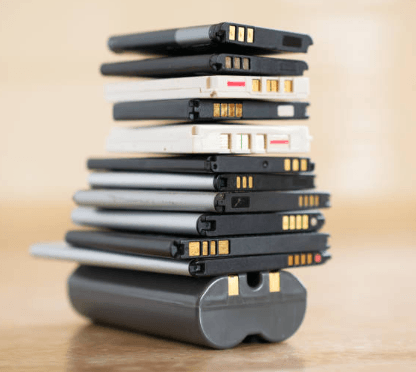
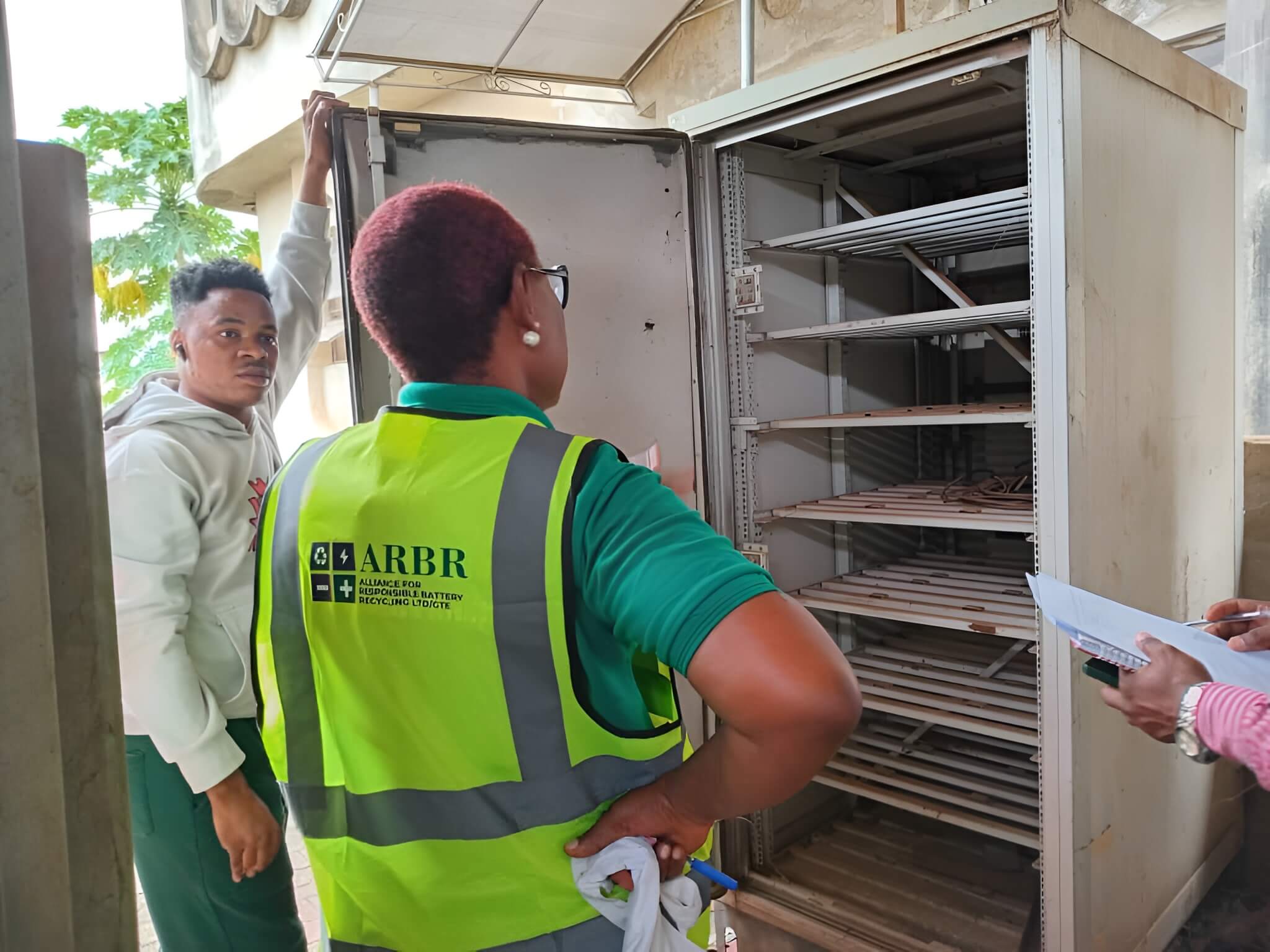
Improper Battery Disposal
Threatens Public Health
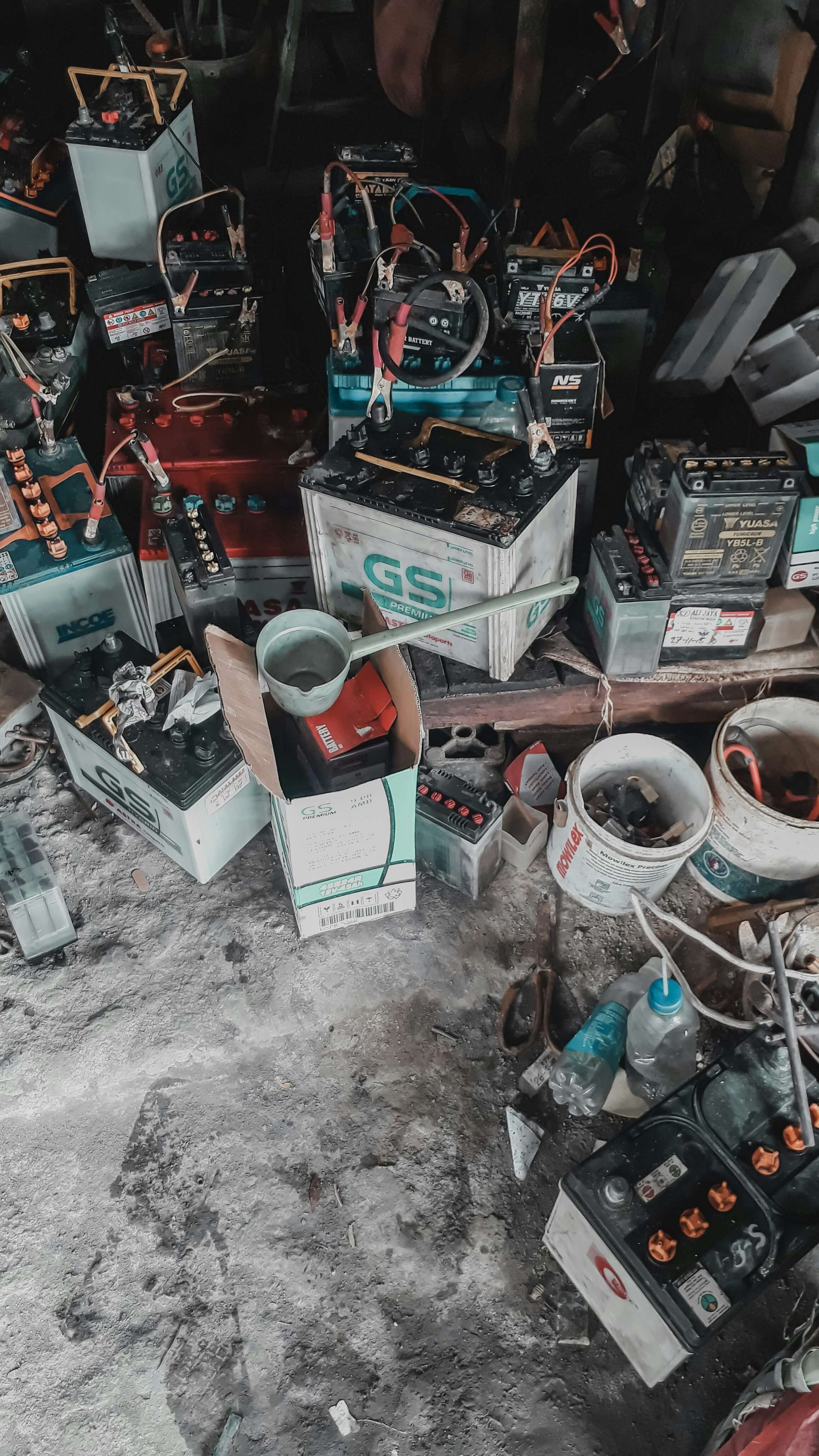
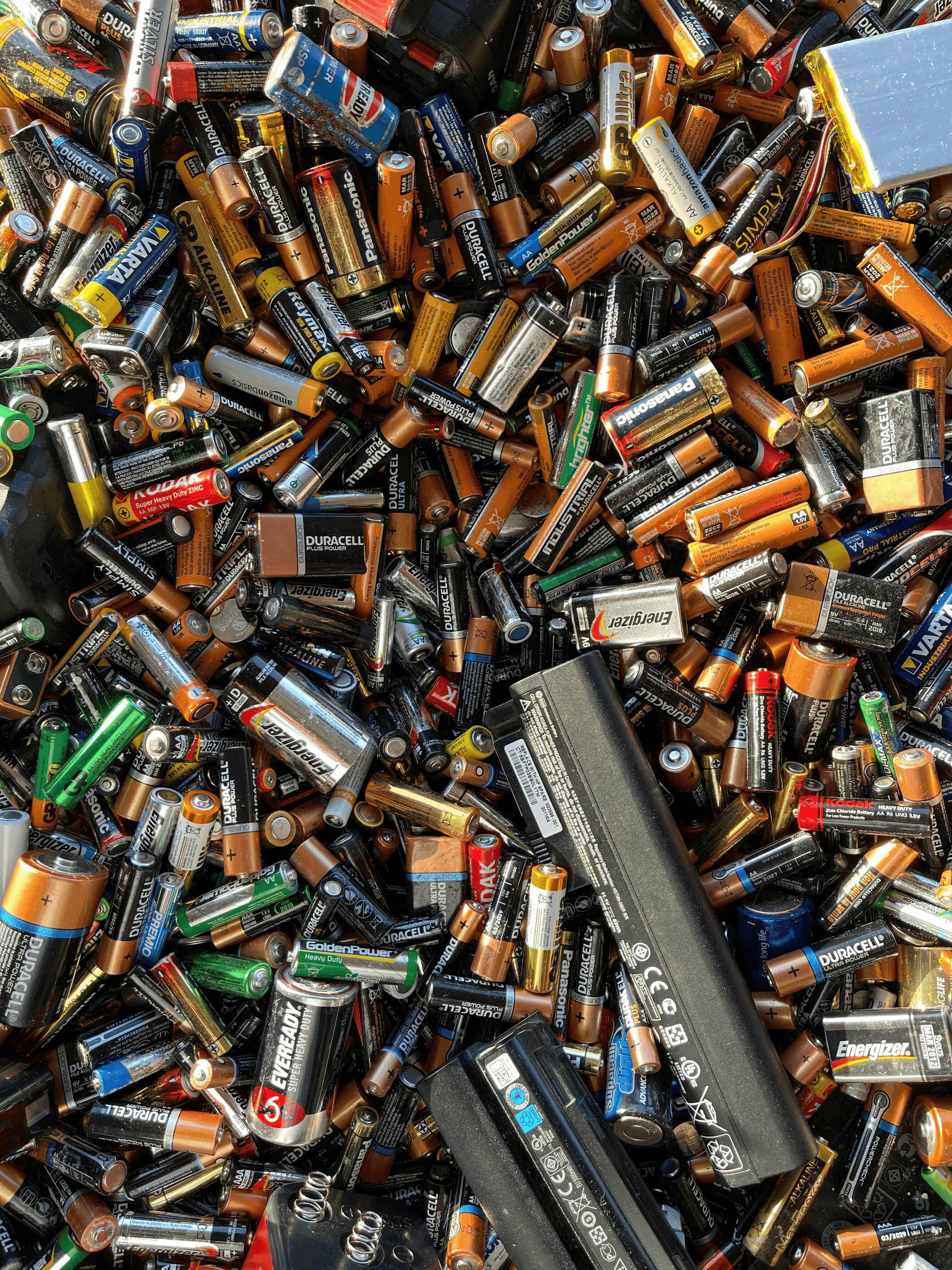
Improper recycling and disposal of used batteries can contaminate soil and water, expose communities to lead and toxic chemicals, and harm human health.
The Challenge
Communities face toxic chemical exposure from informal battery recycling
Lead contamination in soil and water from improper disposal
Battery acid and hazardous materials in unregulated recycling operations
Waste batteries diverted from regulated, safe recycling channels
Our Mission
Coordinated national framework for responsible battery management
Extended Producer Responsibility (EPR) programme implementation
Nationwide battery take-back and collection schemes
Coordination with regulated recycling facilities and stakeholders
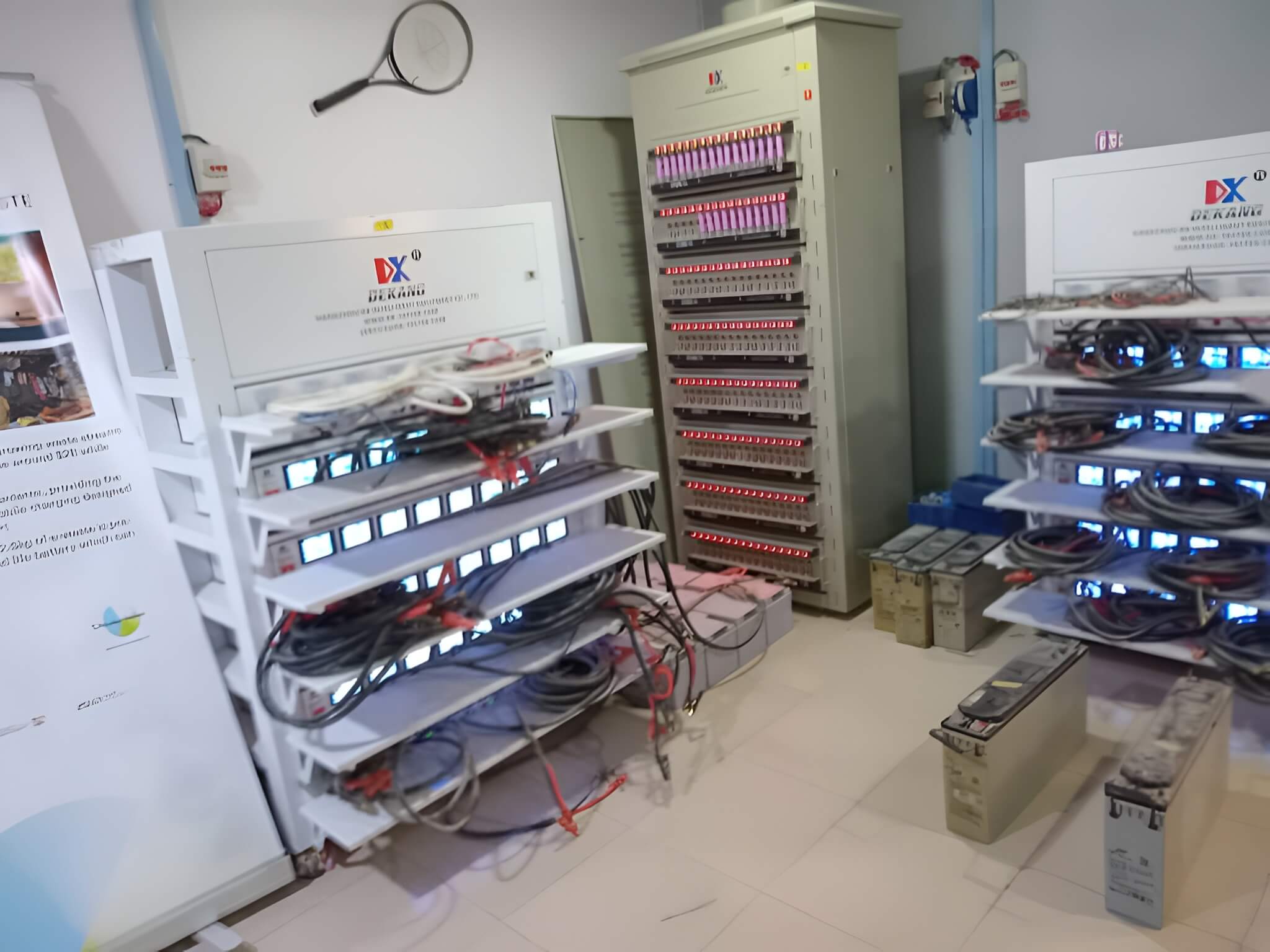
Efficient battery recycling & resource recovery
Protection of soil, water & communities
Regulatory standards & best practices
Join the Movement for Responsible Battery Management
Whether you're a producer, importer, retailer, recycler, or community partner, there's a role for you in creating a sustainable battery ecosystem.
Leading a National Effort to Promote Responsible Battery Recycling in Nigeria
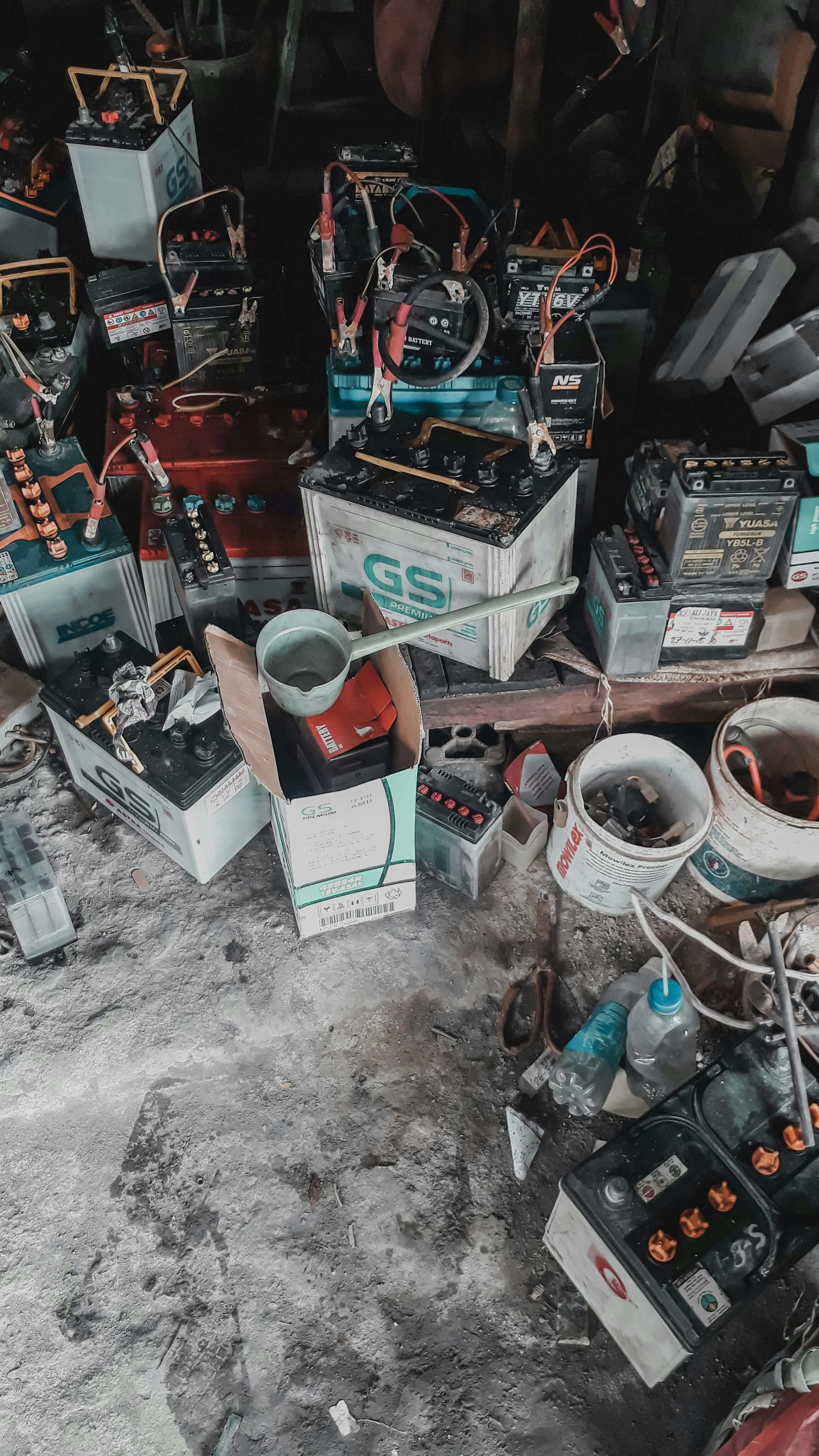
Sustainable Battery Collection
ARBR is dedicated to making battery recycling easy and accessible through our nationwide network of collection centers.
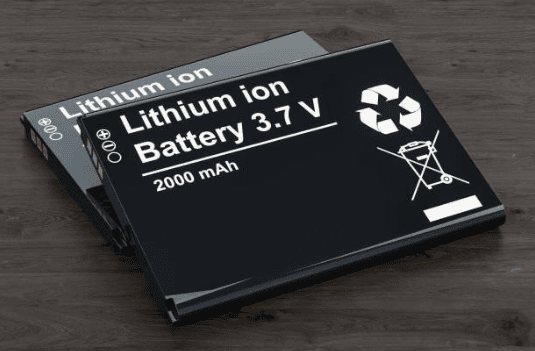
Environmentally Sound Recycling
By recovering valuable materials, ARBR ensures that recycling is environmentally beneficial while minimizing harmful pollutants.
Public Education and Awareness
Educating the public about the dangers of improper battery disposal is central to our mission through workshops and outreach.
Advocacy and Policy Development
ARBR works closely with government bodies and international organizations to advocate for stronger environmental regulations.
How Nigeria's Battery Value Chain Works
From production through recycling, ARBR coordinates all 7 stages to ensure batteries are managed safely, responsibly, and sustainably. Click each stage to explore.
Production & Importation
Battery manufacturers and importers ensure all products meet safety standards and are registered with ARBR. Producers contribute to recycling fund based on volume sold.
Distribution & Retail
Batteries distributed through licensed channels to retailers and dealers. Retailers provide guidance on proper use and safe disposal options to end-consumers.
Battery Use in Key Sectors
Batteries power vehicles, motorcycles, generators, renewable energy systems, and consumer devices across Nigeria. Proper handling extends battery lifespan.
Collection of Used Batteries
Used batteries collected from retailers, auto shops, and households by trained collectors and waste pickers. ARBR ensures batteries are safely stored at designated collection points.
Transportation & Storage
Used batteries transported safely to registered storage facilities. Strict protocols prevent leakage, fire hazards, and environmental contamination during transit.
Recycling & Recovery
Licensed recycling facilities process batteries using best-available technology. Lead, plastic, and other materials are safely recovered and returned to production cycles.
Environmental Protection
Circular economy completes. Communities protected from hazardous exposure. Recycled materials return to manufacturers, closing the loop sustainably.
Production & Importation
Battery manufacturers and importers ensure all products meet safety standards and are registered with ARBR. Producers contribute to recycling fund based on volume sold.
Distribution & Retail
Batteries distributed through licensed channels to retailers and dealers. Retailers provide guidance on proper use and safe disposal options to end-consumers.
Battery Use in Key Sectors
Batteries power vehicles, motorcycles, generators, renewable energy systems, and consumer devices across Nigeria. Proper handling extends battery lifespan.
Collection of Used Batteries
Used batteries collected from retailers, auto shops, and households by trained collectors and waste pickers. ARBR ensures batteries are safely stored at designated collection points.
Transportation & Storage
Used batteries transported safely to registered storage facilities. Strict protocols prevent leakage, fire hazards, and environmental contamination during transit.
Recycling & Recovery
Licensed recycling facilities process batteries using best-available technology. Lead, plastic, and other materials are safely recovered and returned to production cycles.
Environmental Protection
Circular economy completes. Communities protected from hazardous exposure. Recycled materials return to manufacturers, closing the loop sustainably.
Extended Producer Responsibility (EPR)
Under Nigeria's EPR framework, all producers share responsibility for the environmental impact of their batteries throughout the entire product lifecycle.
ARBR's Role
As Nigeria's NESREA-licensed PRO, ARBR coordinates producers, recyclers, waste workers, and communities to make this circular economy a reality.
Trusted by our members and partners








Our Team in Action
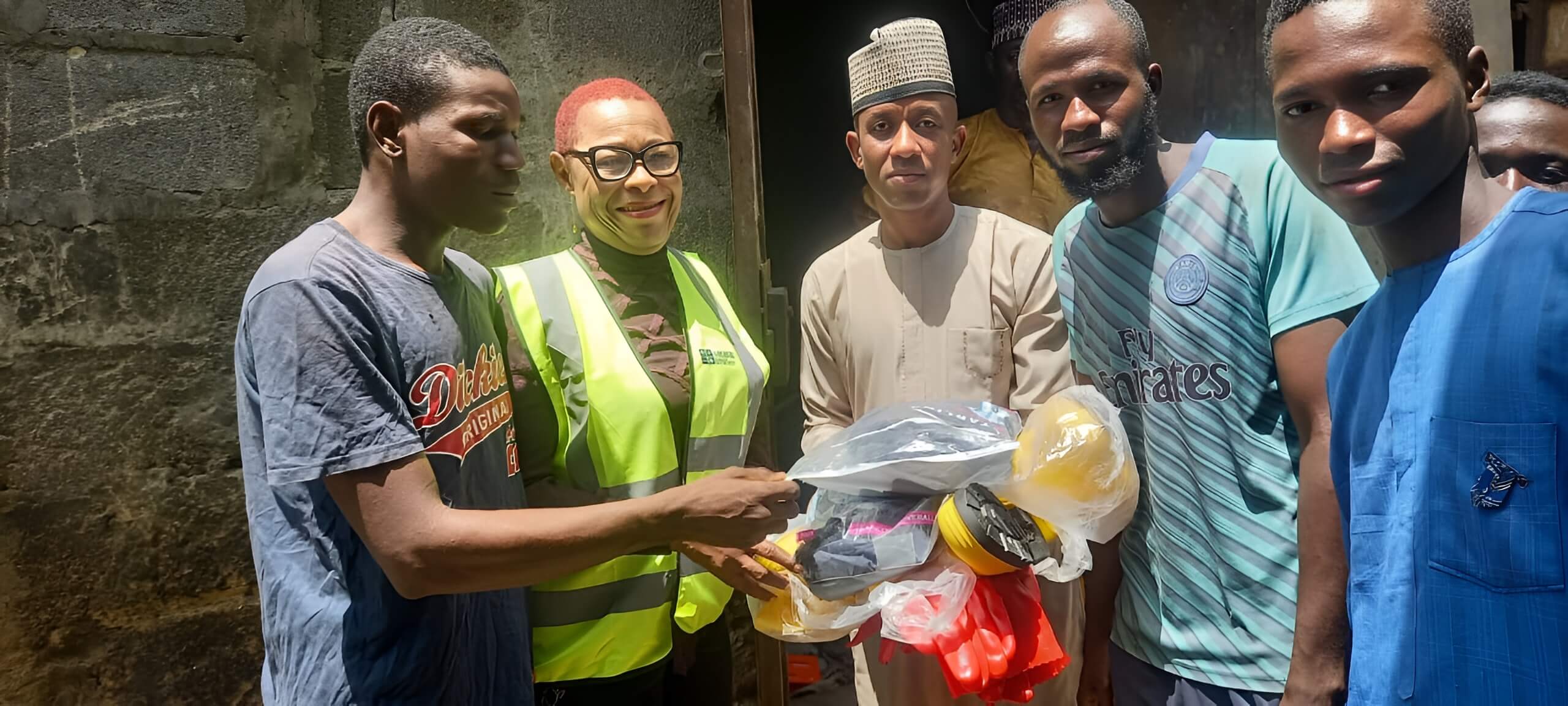
Showcasing our field inspections and community engagement in distributing personal protective equipment to recyclers across Nigeria.
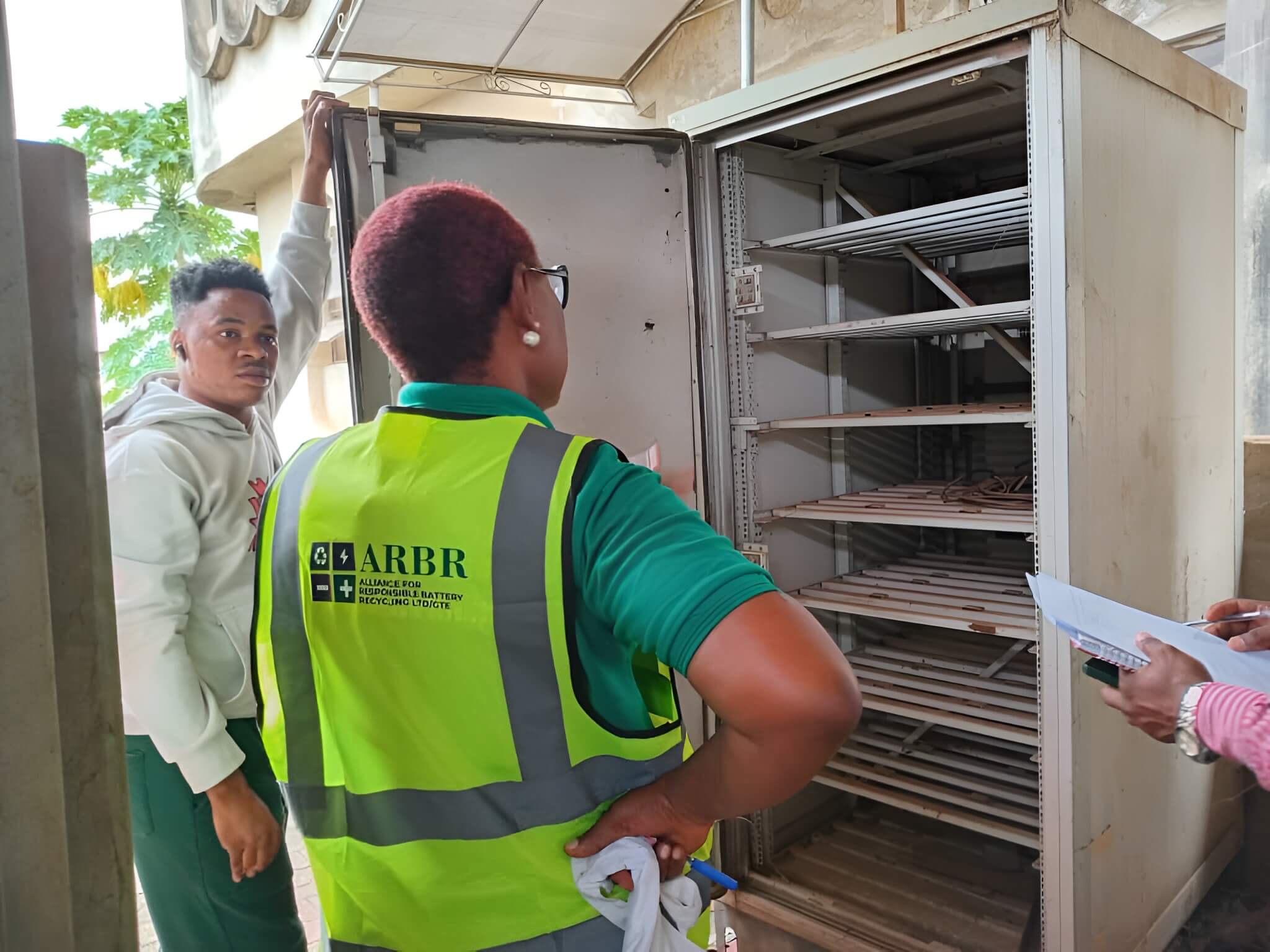
Battery Inspection Exercise
ARBR team conducting an on-site inspection to assess battery handling, storage practices, and environmental compliance.